Pharmacy Practice in the Digital Era: Innovations, Challenges, and Future Trends
₹799.00
The practice of pharmacy is undergoing a profound transformation driven by
rapid advancements in digital technology and evolving healthcare needs.
Innovations such as electronic health records, telepharmacy, artificial
intelligence, big data analytics, automation, blockchain, and digital
therapeutics are reshaping how medicines are developed, dispensed,
monitored, and optimized for patient care. In this context, “Pharmacy Practice
in the Digital Era: Innovations, Challenges, and Future Trends” aims to
provide a comprehensive and structured understanding of the changing
landscape of pharmacy practice in a technology-enabled healthcare ecosystem.
This book has been designed to bridge the gap between traditional pharmacy
roles and emerging digital competencies required of modern pharmacists. It
explores key technological innovations influencing pharmacy practice,
examines regulatory, ethical, and operational challenges associated with digital
transformation, and highlights the expanding role of pharmacists in clinical
decision-making, data-driven care, and interdisciplinary collaboration. Special
emphasis is placed on patient safety, data security, regulatory compliance, and
equitable access to digital pharmacy services.
The content of this book is intended for a wide audience, including
undergraduate and postgraduate pharmacy students, practicing pharmacists,
educators, researchers, and healthcare professionals seeking to adapt to the
demands of digital health. By integrating theoretical concepts with practical
insights, case-based discussions, and future-oriented perspectives, the book
serves as both an academic reference and a practical guide for real-world
application.
Pharmacy Practice in the Digital Era: Innovations, Challenges, and Future Trends
₹799.00
The practice of pharmacy is undergoing a profound transformation driven by
rapid advancements in digital technology and evolving healthcare needs.
Innovations such as electronic health records, telepharmacy, artificial
intelligence, big data analytics, automation, blockchain, and digital
therapeutics are reshaping how medicines are developed, dispensed,
monitored, and optimized for patient care. In this context, “Pharmacy Practice
in the Digital Era: Innovations, Challenges, and Future Trends” aims to
provide a comprehensive and structured understanding of the changing
landscape of pharmacy practice in a technology-enabled healthcare ecosystem.
This book has been designed to bridge the gap between traditional pharmacy
roles and emerging digital competencies required of modern pharmacists. It
explores key technological innovations influencing pharmacy practice,
examines regulatory, ethical, and operational challenges associated with digital
transformation, and highlights the expanding role of pharmacists in clinical
decision-making, data-driven care, and interdisciplinary collaboration. Special
emphasis is placed on patient safety, data security, regulatory compliance, and
equitable access to digital pharmacy services.
The content of this book is intended for a wide audience, including
undergraduate and postgraduate pharmacy students, practicing pharmacists,
educators, researchers, and healthcare professionals seeking to adapt to the
demands of digital health. By integrating theoretical concepts with practical
insights, case-based discussions, and future-oriented perspectives, the book
serves as both an academic reference and a practical guide for real-world
application.


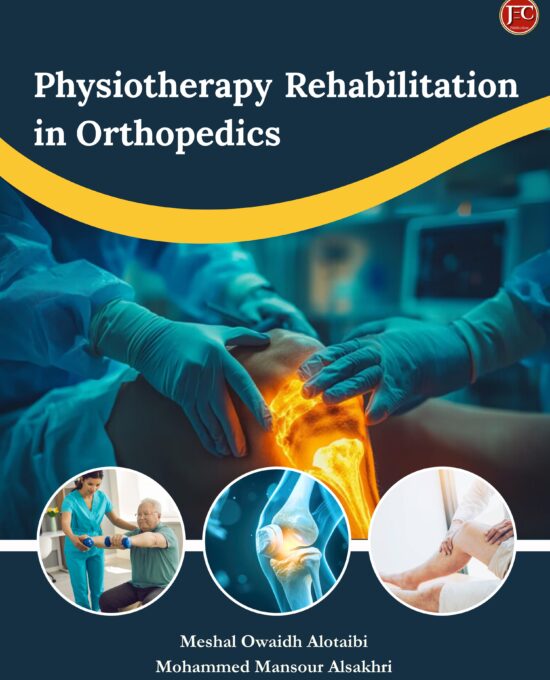
PHYSIOTHERAPY REHABILITATION IN ORTHOPEDICS
₹999.00
Or they can help both to reduce your risk of injury and the effects an injury
could have on you. Orthopedic rehabilitation is one of the most important
yet least understood subspecialties in pretoria north physiotherapy that
serve as the focal point or perhaps I should say leveling scale between
injury, surgery or dysfunction and return to full functional mobilities. With
increasing global prevalence of musculoskeletal pain, acute injury and agerelated degenerative disorders, physiotherapy is increasingly vital in
supporting individuals to an evidence-based recovery and return to activity.
This book, the Practical Guide to Orthopedic Rehabilitation for Physical
Therapists, has been developed as both a textbook and reference source for
therapists in training or practice and for teachers of physical therapy-related
studies. It combines student-friendly coverage of the concept of
mechanobiology with a practical, evidence-based approach that is useable
by even the greenest practitioner and for a variety of orthopedic problems.
Great care has been taken to keep the material easy to access and practicebased. The content is organised by body region, with each chapter providing
a detailed and thorough summary of the theory underlying practice in the
area together with an explanation of the procedure (why and how). The
treatment of common and complex orthopedic conditions, such as fractures,
joint replacements, ligament injuries, pediatric diagnoses and geriatric care
has been described through standardized protocols combined with
guidelines for their progression.
It also features holistic, contemporary methods of care. This manuscript
presents a discussion of new technologies; including robotics, virtual reality, wearable technology and telerehabilitation for physiotherapists to
be prepared in the changing field of rehabilitation. Important clinical skills
such as patient communication, culturally responsive practice, motivational
approaches, ethical considerations and outcome measurement have also
been incorporated to reflect the wider scope of physiotherapists within
multidisciplinary healthcare teams.
I hope this book will function not only as a clinical handbook, but also as a
source of inspiration for how readers should aspire to apply an evidenceand patientbased approach in their own practice. In the outpatient clinic and
in community rehabilitation centers, this guide is also a valuable reference
for consultation that will facilitate making care more effective while
improving clinical outcomes - it is an invitation to our profession to
advance.The Essential Guide to Orthopedic Rehabilitation.
I am thankful for the mentors, colleagues, and experts who provided their
guidance, wisdom, and commitment to patient care that have contributed to
the vision of this work. But most importantly, I thank the patients – their
strength and the stories of recovery keep us reminded that physiotherapy
changes lives.
PHYSIOTHERAPY REHABILITATION IN ORTHOPEDICS
₹999.00
Or they can help both to reduce your risk of injury and the effects an injury
could have on you. Orthopedic rehabilitation is one of the most important
yet least understood subspecialties in pretoria north physiotherapy that
serve as the focal point or perhaps I should say leveling scale between
injury, surgery or dysfunction and return to full functional mobilities. With
increasing global prevalence of musculoskeletal pain, acute injury and agerelated degenerative disorders, physiotherapy is increasingly vital in
supporting individuals to an evidence-based recovery and return to activity.
This book, the Practical Guide to Orthopedic Rehabilitation for Physical
Therapists, has been developed as both a textbook and reference source for
therapists in training or practice and for teachers of physical therapy-related
studies. It combines student-friendly coverage of the concept of
mechanobiology with a practical, evidence-based approach that is useable
by even the greenest practitioner and for a variety of orthopedic problems.
Great care has been taken to keep the material easy to access and practicebased. The content is organised by body region, with each chapter providing
a detailed and thorough summary of the theory underlying practice in the
area together with an explanation of the procedure (why and how). The
treatment of common and complex orthopedic conditions, such as fractures,
joint replacements, ligament injuries, pediatric diagnoses and geriatric care
has been described through standardized protocols combined with
guidelines for their progression.
It also features holistic, contemporary methods of care. This manuscript
presents a discussion of new technologies; including robotics, virtual reality, wearable technology and telerehabilitation for physiotherapists to
be prepared in the changing field of rehabilitation. Important clinical skills
such as patient communication, culturally responsive practice, motivational
approaches, ethical considerations and outcome measurement have also
been incorporated to reflect the wider scope of physiotherapists within
multidisciplinary healthcare teams.
I hope this book will function not only as a clinical handbook, but also as a
source of inspiration for how readers should aspire to apply an evidenceand patientbased approach in their own practice. In the outpatient clinic and
in community rehabilitation centers, this guide is also a valuable reference
for consultation that will facilitate making care more effective while
improving clinical outcomes - it is an invitation to our profession to
advance.The Essential Guide to Orthopedic Rehabilitation.
I am thankful for the mentors, colleagues, and experts who provided their
guidance, wisdom, and commitment to patient care that have contributed to
the vision of this work. But most importantly, I thank the patients – their
strength and the stories of recovery keep us reminded that physiotherapy
changes lives.